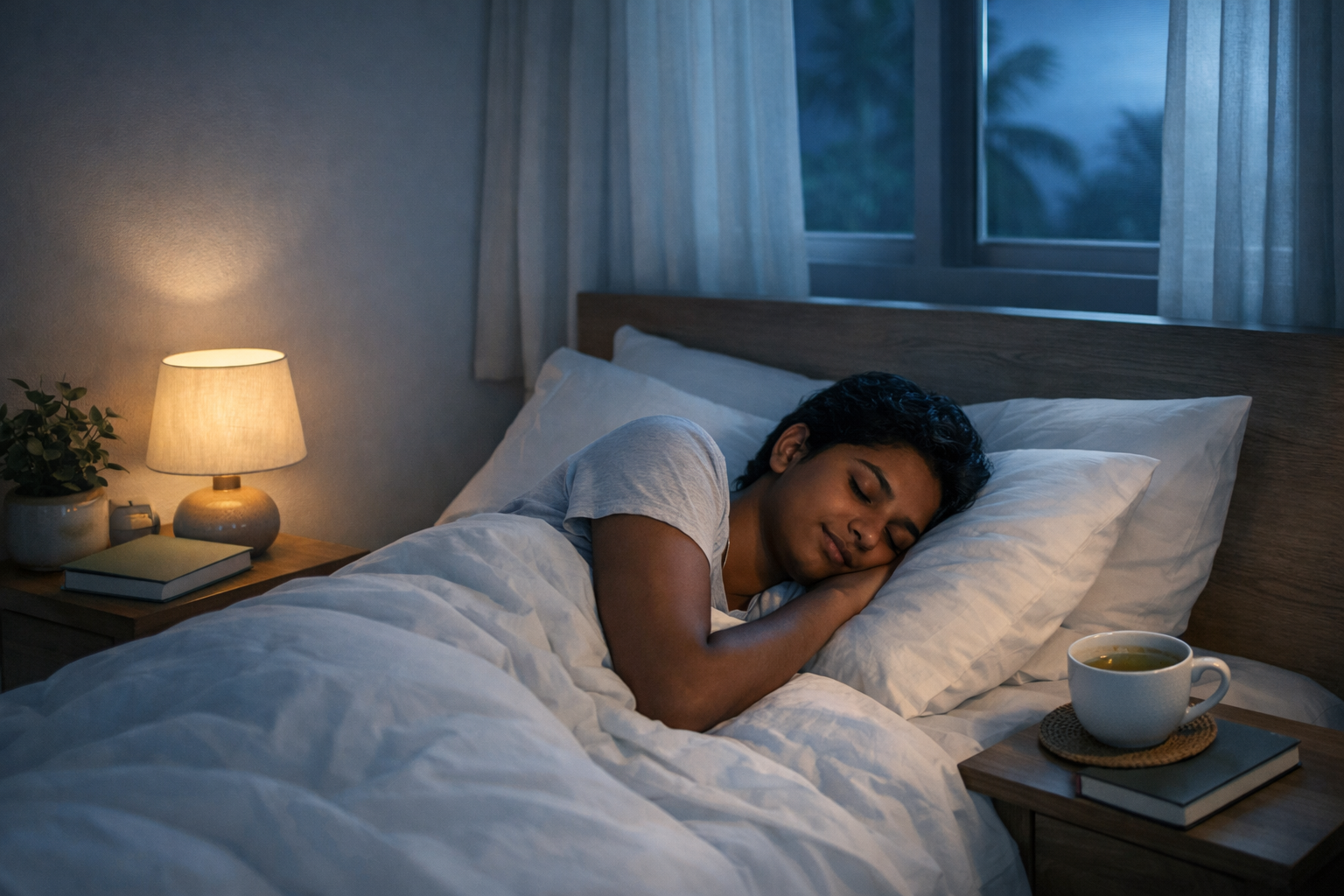
Sleep is not a luxury — it is a biological necessity. Yet many people in Sri Lanka struggle with poor sleep due to stress, work pressure, screen time, and lifestyle habits. If you often wake up tired, struggle to fall asleep, or experience restless nights, you are not alone.
In this comprehensive guide, we explore how to get good sleep naturally, why sleep matters for mental health, and practical strategies you can start today.
Why Good Sleep Is Important for Mental Health
Sleep directly affects how you think, feel, and function. Poor sleep can:
- Increase anxiety and irritability
- Reduce concentration and memory
- Lower productivity
- Increase risk of depression
- Weaken immunity
Research consistently shows that sleep disturbances are strongly linked with conditions like insomnia, anxiety disorders, and depression.
The Science Behind Sleep
Sleep works in cycles. The two main types are:
- REM (Rapid Eye Movement) sleep – Important for memory and emotional regulation
- Non-REM sleep – Important for physical restoration and immune function
An average adult needs 7–9 hours of quality sleep per night for optimal functioning.
Common Causes of Poor Sleep in Sri Lanka
Many clients report sleep problems due to:
- High work stress
- Financial pressure
- Exam anxiety (students)
- Excessive mobile phone use before bed
- Late-night social media scrolling
- Irregular sleep schedules
- Caffeine intake (tea and coffee late in the evening)
Understanding the root cause is the first step to improving sleep.
1. Maintain a Consistent Sleep Schedule
Go to bed and wake up at the same time every day — even on weekends. Your body has an internal clock (circadian rhythm), and consistency helps regulate it.
2. Create a Relaxing Bedtime Routine
Signal your brain that it is time to sleep. Try:
- Reading a calming book
- Gentle stretching
- Listening to soft music
- Practicing deep breathing
Avoid stimulating activities before bed.
3. Reduce Screen Time Before Sleep
Blue light from phones and laptops suppresses melatonin — the hormone responsible for sleep.
👉 Stop screen use at least 60 minutes before bedtime.
4. Limit Caffeine and Tea in the Evening
Caffeine can stay in your system for up to 6–8 hours. In Sri Lanka, evening tea is common — but try switching to herbal tea after 4 PM.
5. Make Your Bedroom Sleep-Friendly
Your sleep environment matters.
- Keep the room dark
- Maintain a cool temperature
- Use comfortable bedding
- Reduce noise
Your bedroom should be a place for rest — not work.
6. Manage Stress and Overthinking
Racing thoughts at night are one of the biggest causes of insomnia.
Try:
- Journaling before bed
- Writing tomorrow’s to-do list
- Practicing mindfulness meditation
If anxiety keeps you awake regularly, professional psychological support can help.
7. Exercise Regularly — But Not Too Late
Physical activity improves sleep quality. However, intense workouts close to bedtime may increase alertness. Aim to exercise in the morning or early evening.
8. Avoid Long Daytime Naps
Short naps (20–30 minutes) are fine. Long naps can disrupt nighttime sleep.
9. Eat Light at Night
Heavy, spicy meals close to bedtime can cause discomfort and disturb sleep. Try to finish dinner at least 2–3 hours before sleeping.
10. Don’t Force Sleep
If you cannot fall asleep within 20–30 minutes:
- Get out of bed
- Sit in dim light
- Read something calming
- Return to bed when sleepy
This helps your brain associate bed with sleep — not frustration.
11. Try Relaxation Techniques
Here are two simple methods:
4-7-8 Breathing Technique
- Inhale for 4 seconds
- Hold for 7 seconds
- Exhale for 8 seconds
- Repeat 4–6 times.
Progressive Muscle Relaxation
Tense and relax each muscle group slowly from head to toe.
12. Seek Professional Help if Sleep Problems Persist
If you experience:
- Chronic insomnia
- Nightmares
- Sleep anxiety
- Waking up frequently
- Sleep problems lasting more than 3 weeks
It may indicate underlying stress, anxiety, or depression.
A licensed psychologist can help identify root causes and provide evidence-based treatments like Cognitive Behavioural Therapy for Insomnia (CBT-I).
- Constant fatigue
- Irritability
- Poor concentration
- Frequent headaches
- Low mood
- Reduced motivation
If these symptoms are affecting your daily functioning, it’s important to address them early.
Some people find benefit from:
- Warm milk before bed
- Herbal teas (chamomile)
- Aromatherapy (lavender oil)
- White noise
However, these should complement — not replace — healthy sleep habits.
Sleep helps regulate emotional responses. When sleep-deprived, the brain’s emotional center becomes more reactive, leading to:
- Mood swings
- Increased stress
- Lower frustration tolerance
- Emotional sensitivity
Improving sleep often improves emotional balance.
Good sleep does not happen by accident — it is built through consistent habits. Small changes in your daily routine can lead to significant improvements in sleep quality and mental wellbeing.
If you or a loved one in Sri Lanka is struggling with persistent sleep difficulties, professional psychological support can make a meaningful difference.
Frequently Asked Questions (FAQs)
1. How many hours of sleep do adults need?
Most adults require 7–9 hours of quality sleep per night.
2. Is it normal to wake up during the night?
Occasional waking is normal. Frequent awakenings that cause distress may require attention.
3. Can anxiety cause sleep problems?
Yes. Anxiety is one of the leading causes of insomnia.
4. When should I see a psychologist for sleep issues?
If sleep problems persist for more than 3 weeks and affect daily life, professional support is recommended.